Posture Guide for Malaysians
Practical tips for maintaining spinal health in everyday Malaysian life — from office work to traditional floor sitting.
Office Ergonomics for Malaysian Workplaces
Many Malaysians spend 8+ hours at desks. Proper setup can reduce strain on your spine.
Chair Height
Feet should rest flat on the floor. If your chair is too high, use a footrest. Hips should be at or slightly above knee level.
Monitor Position
Top of screen at or slightly below eye level. About an arm's length away. Avoid looking down at laptops for extended periods.
Keyboard & Mouse
Position so elbows stay at 90 degrees. Wrists should be straight, not bent. Consider a wrist rest for padding.
Take Breaks
Stand and move every 30-60 minutes. Set a timer if needed. Short walks to the pantry or restroom help.
Lighting
Proper lighting reduces eye strain and prevents leaning forward. Avoid glare on screens. Use blinds or curtains as needed.
The 90-90-90 Rule
Aim for 90 degrees at ankles, knees, and hips. This neutral position reduces spinal stress during prolonged sitting.
Posture Challenges in Malaysian Life
Malaysian culture and lifestyle present unique posture challenges. Understanding these helps in developing practical solutions.
🛋️ Floor Sitting
Traditional meals and gatherings often involve sitting on the floor. This requires spinal flexion that may strain some individuals. Use cushions for support, change positions regularly, and avoid prolonged floor sitting if you experience discomfort.
🛍️ Heavy Bags
Carrying heavy handbags, laptop bags, or shopping on one side creates uneven loading. Switch sides regularly, use backpacks when possible, and avoid carrying unnecessary weight.
🚗 Long Commutes
Traffic in KL and surrounding areas means extended sitting. Adjust your seat for proper back support, take breaks on long drives, and consider lumbar support cushions.
📱 Phone Use
"Text neck" from looking down at phones strains the cervical spine. Hold phones at eye level when possible, and take frequent breaks from device use.
Quick Posture Checks
Standing
Ears over shoulders, shoulders over hips, hips over ankles. Weight evenly distributed on both feet.
Sitting
Back supported, feet flat, knees at 90 degrees. Avoid crossing legs for extended periods.
Lifting
Bend at knees, not waist. Keep object close to body. Avoid twisting while lifting.
Sleeping
Side sleeping with pillow between knees, or back sleeping with pillow under knees. Avoid stomach sleeping.
Simple Exercises for Spinal Health
These exercises can be done at home or in the office to support spinal health. Always start gently and stop if you experience pain.
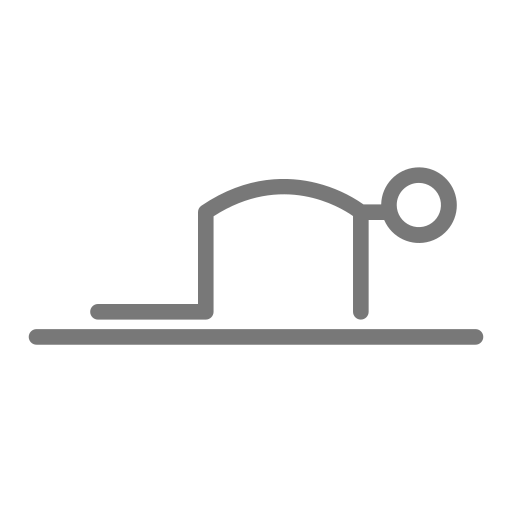
Cat-Cow Stretch
On hands and knees, alternate between arching your back up (cat) and dipping it down (cow). Moves spine through flexion and extension.
Hold each position 5-10 seconds. Repeat 10 times.
🧍 Standing Back Extension
Stand with hands on lower back. Gently lean backward, supporting your weight with your hands. Helps counteract forward bending.
Hold 5 seconds. Repeat 10 times.
🦵 Knee-to-Chest Stretch
Lying on your back, bring one knee toward your chest, then the other. Gently stretches lower back muscles.
Hold 20-30 seconds each leg. Repeat 3 times.
🔄 Seated Spinal Rotation
Sitting upright, gently rotate your upper body to one side, then the other. Helps maintain spinal mobility.
Hold 10 seconds each side. Repeat 5 times.
🦶 Ankle Circles
While seated, lift one foot and make circles with your ankle. Promotes circulation and reduces stiffness from sitting.
10 circles each direction, each foot.
🚶 Walking Breaks
The simplest exercise: stand up and walk for 2-3 minutes every hour. Changes spinal loading and promotes circulation.
Set a timer to remind yourself.
⚠️ Important Note
These exercises are general suggestions for healthy individuals. If you have existing back pain, injury, or medical conditions, consult a healthcare provider before starting any exercise program. Stop immediately if you experience pain, numbness, or tingling.
Common Posture Questions
Is sitting really that bad for my back? ▼
Prolonged sitting isn't inherently harmful, but poor sitting posture and lack of movement can contribute to back discomfort. The key issues are: sustained static posture, poor ergonomic setup, and insufficient movement breaks. If you sit for work, focus on proper chair setup, take regular standing breaks, and incorporate movement into your day. Some research suggests that alternating between sitting and standing may be beneficial for some individuals.
Can posture braces help? ▼
Posture braces may provide temporary support and remind you to sit upright, but they don't address the underlying muscle imbalances that contribute to poor posture. Over-reliance on braces can actually weaken postural muscles over time. A better approach is to strengthen core and back muscles, improve workstation ergonomics, and develop body awareness. If you're considering a posture brace, think of it as a short-term reminder rather than a long-term solution.
How long does it take to improve posture? ▼
Developing better posture is a gradual process that requires consistent attention. Some people notice improvements in comfort within weeks of making ergonomic changes, but building lasting postural habits typically takes months. The key is consistency — regular practice of good posture, strengthening exercises, and body awareness. Remember that perfect posture isn't the goal; rather, aim for varied positions and regular movement throughout your day.
Should I get a standing desk? ▼
Standing desks can be beneficial for some people, but they're not a magic solution. Standing all day has its own risks, including varicose veins and foot problems. The best approach for many people is to alternate between sitting and standing throughout the day. If you get a standing desk, start with short standing periods (15-20 minutes) and gradually increase. Ensure proper setup: screen at eye level, keyboard at elbow height, and use an anti-fatigue mat. Listen to your body — if standing causes discomfort, sit down.
Learn More About Spinal Health
Contact our facility for information about posture, ergonomics, and spinal wellness.