Understanding Sciatica
A comprehensive guide to sciatic nerve pain—its causes, symptoms, and approaches to finding relief.
What is Sciatica?
Sciatica refers to pain that travels along the path of the sciatic nerve, which branches from your lower back through your hips and buttocks and down each leg. It typically affects only one side of the body.
Sciatica is not a medical diagnosis in itself, but rather a symptom of an underlying condition affecting the sciatic nerve. Understanding the root cause is essential for finding appropriate relief.
The Sciatic Nerve
The sciatic nerve is the longest and widest single nerve in the human body. It originates from the lower spine (L4-S3) and provides sensation and motor function to much of the lower body.
Classic Symptoms
- • Pain radiating from lower back to buttock and leg
- • Discomfort anywhere along nerve pathway
- • Sharp, shooting, or burning sensation
- • Numbness or tingling in leg or foot
- • Muscle weakness in affected leg
- • Pain worsening with sitting or coughing
When to Seek Medical Care
- • Severe or sudden onset pain
- • Pain after injury or accident
- • Weakness in leg or foot
- • Loss of bladder or bowel control
- • Numbness in both legs
What Causes Sciatica?
Sciatica occurs when the sciatic nerve is compressed or irritated. Common underlying causes include:
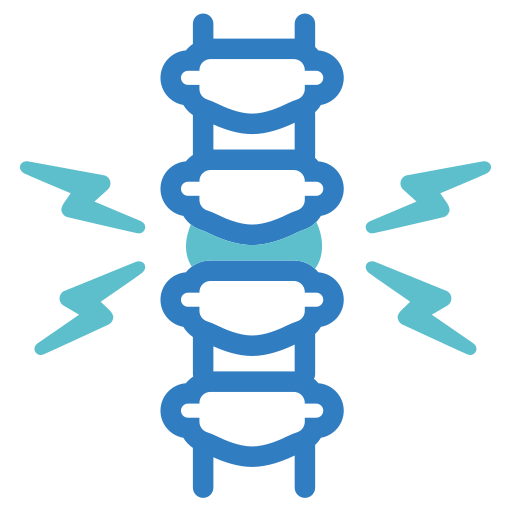
Herniated Disc
When the soft inner material of a spinal disc pushes through the outer layer, it can press on the sciatic nerve root. This is the most common cause of sciatica.
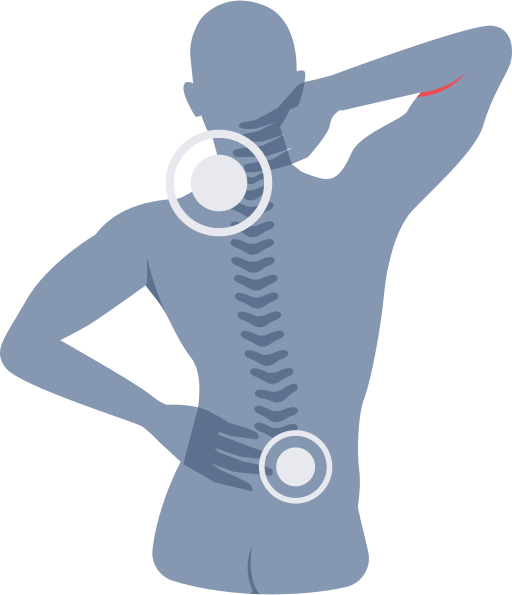
Spinal Stenosis
Narrowing of the spinal canal can compress the sciatic nerve. More common in adults over 50 due to age-related changes.

Piriformis Syndrome
The piriformis muscle in the buttock can irritate or compress the sciatic nerve if it becomes tight or spasms.

Spondylolisthesis
When one vertebra slips forward over another, it can narrow the opening where the nerve exits the spine.

Trauma or Injury
Accidents, falls, or sports injuries can damage spinal structures and compress the sciatic nerve.
Getting a Diagnosis
Accurate diagnosis often requires physical examination and may include imaging studies. A healthcare provider can help determine the underlying cause of your symptoms.
Approaches to Finding Relief
Treatment depends on the underlying cause and severity. Many cases improve with conservative approaches.
🚶 Stay Active
While rest may seem appealing, prolonged bed rest can worsen symptoms. Gentle walking and movement often help more than complete rest. Start slowly and increase activity gradually.

Cold and Heat Therapy
Cold packs may help reduce inflammation during acute flare-ups. Heat can relax tense muscles that may be contributing to nerve compression. Use each for 15-20 minutes at a time.

Gentle Stretching
Specific stretches for the piriformis muscle, hamstrings, and lower back may help relieve pressure on the sciatic nerve. A physical therapist can guide appropriate stretches.
Core Strengthening
A strong core supports the spine and may help prevent future episodes. Focus on exercises that don't aggravate current symptoms. Professional guidance is recommended.

Professional Care
Various healthcare providers may help with sciatica, including medical doctors, physiotherapists, and chiropractors. The best approach depends on the underlying cause.
⏰ Patience
Most cases of sciatica improve within 4-6 weeks with conservative care. Surgery is rarely needed and typically considered only after other approaches haven't helped.
Common Questions About Sciatica
Will sciatica go away on its own?▼
Many cases of acute sciatica improve within a few weeks to months with conservative care and time. The body's natural healing processes often resolve the underlying inflammation or irritation. However, the timeline varies significantly depending on the cause and individual factors. If symptoms persist beyond a few weeks, worsen, or significantly impact daily activities, consult a healthcare provider.
Can chiropractic care help sciatica?▼
Some individuals with sciatica find chiropractic care helpful, particularly when the condition is related to spinal alignment or joint dysfunction. Chiropractors use various techniques that may address the underlying mechanical issues. However, effectiveness depends on the specific cause of sciatica. It's important to have a proper diagnosis before beginning any treatment. Chiropractic care may be one component of a comprehensive approach.
What exercises should I avoid with sciatica?▼
During an acute sciatica episode, avoid exercises that: involve forward bending at the waist (like toe touches), require heavy lifting, involve twisting the spine, or cause pain to radiate down the leg. High-impact activities like running may also aggravate symptoms. Focus instead on gentle walking, swimming, and specific stretches recommended by a healthcare provider. Always stop any exercise that increases pain or causes numbness.
Is surgery necessary for sciatica?▼
Surgery is rarely necessary for sciatica. It's typically considered only when: conservative treatments haven't helped after 6-12 weeks, there's progressive neurological deficit (increasing weakness), or there's loss of bladder/bowel control. The most common surgery is microdiscectomy to remove the portion of disc pressing on the nerve. Even when surgery is performed, it addresses the symptom (compression) and doesn't prevent future episodes.
Learn More About Sciatica
Contact our facility for information about nerve health and non-invasive approaches.