Understanding Neck Pain
A guide to cervical spine health, common causes of neck discomfort, and approaches to finding relief.
The Cervical Spine
Your neck, or cervical spine, consists of seven vertebrae (C1-C7) that support your head and allow for its wide range of motion. This area is highly mobile but also vulnerable to strain and injury due to the weight of the head and the demands of modern life.
Neck pain affects approximately 30-50% of adults annually. In Malaysia, where smartphone use and desk work are prevalent, "text neck" and posture-related cervical issues are increasingly common concerns.
Did You Know?
Your head weighs about 5kg in a neutral position. When you tilt it forward 45 degrees to look at your phone, the effective weight on your cervical spine increases to approximately 22kg—equivalent to an eight-year-old child.
Common Symptoms
- • Aching or stiffness in the neck
- • Sharp pain with movement
- • Pain radiating to shoulders or arms
- • Headaches originating from the neck
- • Reduced range of motion
- • Muscle spasms
When to Seek Medical Care
- • Pain after injury or accident
- • Numbness, tingling, or weakness in arms
- • Severe, sudden onset pain
- • Pain accompanied by fever
- • Difficulty with coordination or balance
Common Causes of Neck Pain
Understanding the source of neck discomfort helps in finding appropriate approaches to relief.
Forward Head Posture
Prolonged looking down at phones, tablets, or laptops places strain on cervical muscles and ligaments.
Poor Desk Ergonomics
Monitors positioned too low or too far cause you to crane your neck forward throughout the workday.
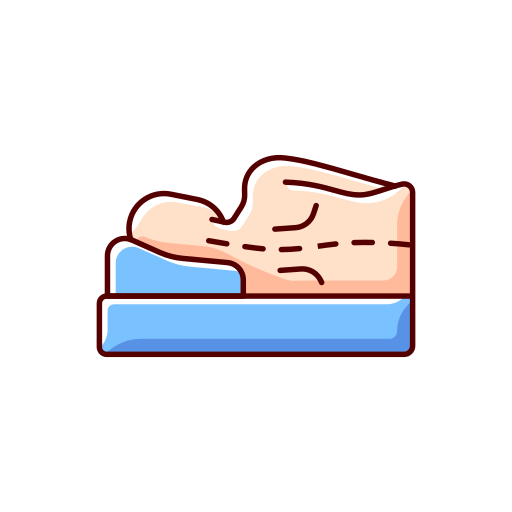
Sleep Position
Sleeping on your stomach or with inadequate pillow support can strain neck structures overnight.
Muscle Strain
Overuse, awkward positions, or sudden movements can strain neck muscles and soft tissues.
Nerve Compression
Herniated discs or bone spurs in the cervical spine can press on nerves, causing radiating pain.

Whiplash
Sudden back-and-forth movement of the neck, commonly from vehicle accidents, can injure soft tissues.
Neck-Friendly Habits
📱 Phone at Eye Level
Hold your phone at eye level rather than looking down. Take frequent breaks from screen time.
🖥️ Monitor Positioning
Position your monitor so the top of the screen is at or slightly below eye level. Use a laptop stand if needed.
💆 Regular Breaks
Every 30 minutes, stand up, roll your shoulders, and gently move your neck through its comfortable range.
😴 Proper Sleep Setup
Sleep on your back or side with a pillow that supports the natural curve of your neck. Avoid stomach sleeping.
Common Questions About Neck Pain
Can chiropractic care help with neck pain?▼
Research suggests that chiropractic care may help some individuals with certain types of neck pain, particularly mechanical neck pain. Chiropractors use various techniques to address joint mobility and muscle tension. However, suitability varies by individual and condition. It's important to consult with a healthcare provider to determine if chiropractic care is appropriate for your specific situation.
Is neck cracking safe?▼
Occasional self-cracking of the neck is generally not harmful for healthy individuals. However, forceful or habitual neck cracking can potentially cause injury. If you feel the need to crack your neck frequently, it may indicate underlying tension that could benefit from professional assessment. Chiropractic adjustments performed by registered practitioners use controlled, specific techniques that differ from self-manipulation.
How can I prevent neck pain while working?▼
Prevention strategies include: optimizing your workstation ergonomics (monitor at eye level, chair supporting good posture), taking regular movement breaks, performing gentle neck stretches throughout the day, being mindful of phone posture, and strengthening neck and upper back muscles through exercise. Small, consistent habits are more effective than occasional interventions.
Learn More About Neck Health
Contact our facility for information about cervical spine health and wellness.