Bone Setting in Ampang, Selangor
An educational overview of bone setting (Tit Tar): where it comes from, how it differs from chiropractic care, and what a first visit at our Ampang facility involves.
What is Bone Setting?
Bone setting is a form of hands-on manual therapy applied to the joints and surrounding soft tissue, most often the knees, ankles, wrists, elbows and shoulders. It has a rich history across Asian traditional medicine, known in Chinese communities as Tit Tar (跌打).
At Balance Chiropractic, this traditional approach is informed by modern anatomy, biomechanics and a thorough assessment before any hands-on work. Research on traditional bone setting is limited, so we present it as one option among several, not a replacement for medical care.
- ✓ May help support proper joint alignment
- ✓ Some individuals seek this care for joint stiffness and swelling
- ✓ May help support range of motion in stiff joints
- ✓ An educational option for acute and chronic musculoskeletal concerns
Traditional Tit Tar Heritage
Bone setting as practiced in Malaysia draws from Tit Tar, a branch of Chinese medicine historically associated with sprains, strains and other musculoskeletal injuries. Today, a suspected fracture or dislocation should always be assessed by a medical doctor and imaged first.
Modern Professional Standards
Our practitioners integrate current anatomical knowledge, diagnostic imaging review, and evidence-based soft tissue techniques to support your musculoskeletal health.
Complementary to Chiropractic
Bone setting and chiropractic adjustments often work hand-in-hand. Chiropractic care focuses mainly on the spine and pelvis, while bone setting is usually applied to the limbs, so the two are sometimes discussed together.
Areas Where People Commonly Seek Bone Setting
These are joint areas people commonly ask about. This is general information, not a promise of any outcome; individual results vary.
Knee Joint Issues
Stiffness or discomfort after strain or overuse.
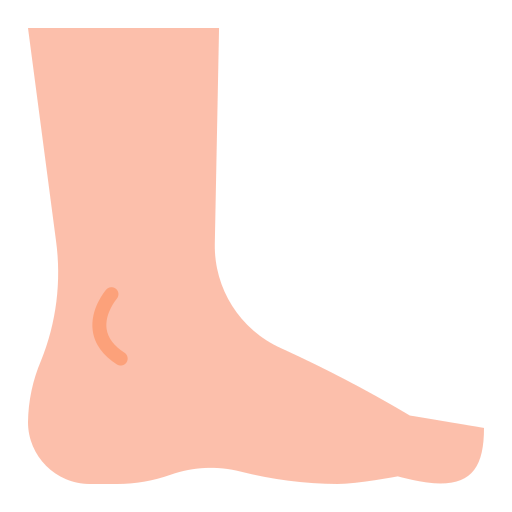
Ankle & Foot
Stiffness or discomfort after a minor sprain or repeated strain.
Shoulder & Elbow
Restricted movement or discomfort around the shoulder and elbow.
Wrist & Hand
Stiffness from repetitive use, such as desk or manual work.
Hip & Pelvis
Stiffness around the hip and pelvis, often alongside lower back concerns.
Post-Injury Recovery
Some people seek manual therapy once a minor injury has been medically cleared.
Bone Setting vs. Chiropractic — What's the Difference?
Both are hands-on approaches to the musculoskeletal system, with different histories and focuses. For a wider comparison, see chiropractic vs physiotherapy.
Bone Setting (Tit Tar)
- ● Focuses on peripheral joints (knees, ankles, wrists, shoulders)
- ● Traditionally used after minor sprains and strains
- ● Often used with herbal liniments and wrapping
- ● Rooted in Traditional Chinese Medicine
Chiropractic Care
- ● Primarily focuses on the spine and nervous system
- ● Commonly sought for back and neck discomfort
- ● Uses diagnostic imaging and clinical analysis
- ● Based on Western anatomy and biomechanics
Which approach, if either, is appropriate depends on your assessment.
What to Expect on Your First Visit
An overview of the process — educational information only, not a promise of any specific outcome.
History & Assessment
We review the affected joint, how the discomfort began, and your general health history before any hands-on work begins.
Explanation Before Treatment
Our practitioners explain what they observe and what the recommended approach involves, so you understand each step.
Aftercare Guidance
You'll receive general guidance on rest, movement, and follow-up visits. For related reading, see our chiropractic safety information.
When Bone Setting May Not Be Suitable
Hands-on joint techniques are not appropriate for everyone. A responsible practitioner screens for these before any treatment, and refers you to a medical doctor where needed:
- • A suspected fracture, dislocation, or an injury with significant swelling, bruising or deformity
- • Osteoporosis or other conditions that weaken bone
- • Joint infection, inflammatory arthritis flare-ups, or unexplained fever
- • Numbness, weakness, or pain that is worsening quickly
- • Recent surgery on the affected area, or blood-thinning medication
If you are unsure, see a medical doctor first. For more on screening and risk, read our chiropractic safety guide. Before choosing any practitioner, you can also check their T&CM Council registration.
Bone Setting FAQs
Is bone setting the same as Tit Tar?▼
Tit Tar is the traditional Chinese practice that bone setting is derived from. While they share techniques, modern bone setting integrates current anatomy and safety standards for a more evidence-guided approach.
Is it painful?▼
Some discomfort is normal — especially with acute injuries or very stiff joints. Practitioners work within your tolerance and explain each step of the assessment and technique before proceeding. Individual experiences vary.
Can I combine bone setting with chiropractic in the same visit?▼
It can be. After the assessment, the practitioner explains whether spine-focused chiropractic care, peripheral joint work, or both are appropriate for you, and why. Whether the two are combined depends on your history and examination findings.
How many sessions will I need?▼
There is no fixed number. It depends on the joint involved, how long the discomfort has been present, your general health, and how you respond. The practitioner discusses this with you after the first assessment and reviews it at each visit. Individual results vary.
Ready to Find Your Balance?
Learn more about joint alignment at our Ampang facility.